Do you want to park the car and live close to coffee, parks, and the lake? In Sandpoint, that usually means targeting a few core in-town pockets where daily needs are a short walk and the vibe fits your lifestyle. You might be deciding between easy lake access, a simpler school-day routine, or quieter streets that still keep you near downtown.
This guide breaks down the main in-town areas, what walkable living looks like here, and how to compare pockets by distances, sidewalks, and seasonal patterns. You’ll leave with a simple checklist to evaluate homes block by block and a clear sense of where to start your search. Let’s dive in.
What walkable living means here
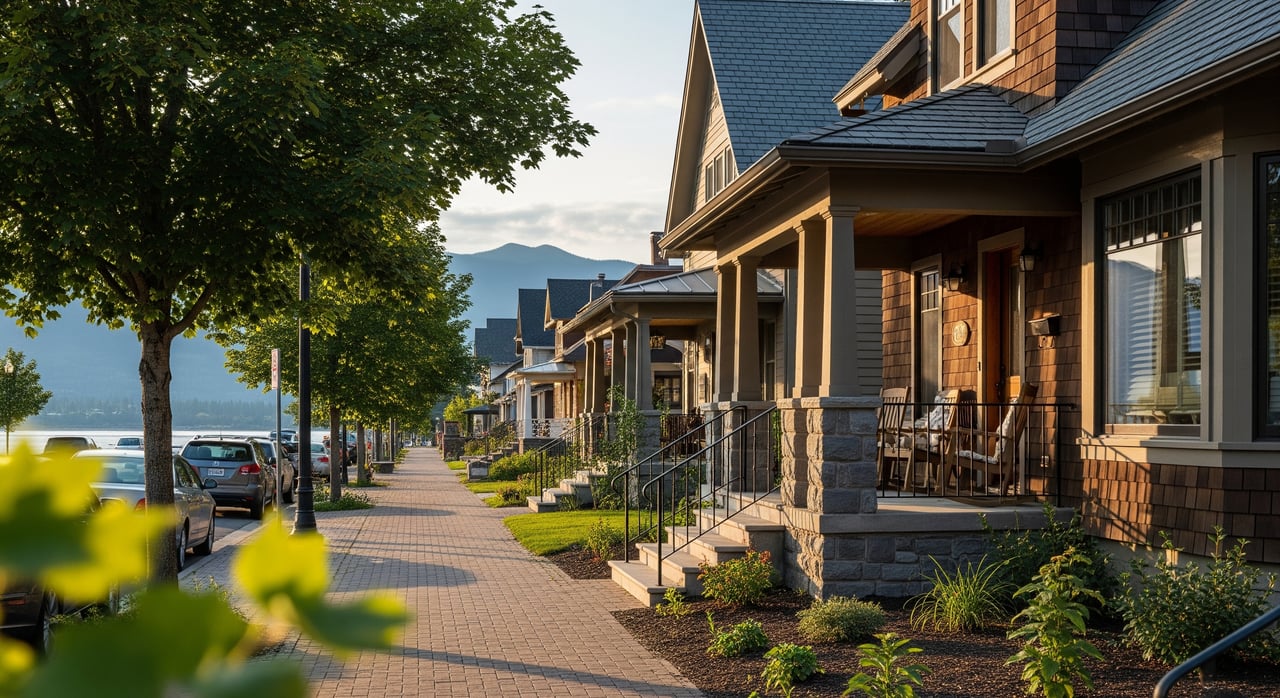
Walkable living in Sandpoint centers on being within a 5 to 20 minute walk of daily destinations like groceries, coffee, restaurants, and parks. Sidewalks, safe crossings, and gentle street grades shape how practical it feels to walk those routes year-round. Proximity to the lake adds beach and park access, and it also brings more summer activity.
If school routines matter, consider how close you are to your assigned campuses and whether there are safe walking routes. The neighborhood vibe also matters. Some blocks have a classic grid with cottages and small homes, while others include duplexes or mixed-use buildings with upper-floor apartments. Each pocket trades a bit of space or quiet for access and convenience.
Downtown core highlights
The downtown core is where Sandpoint’s daily destinations cluster. Here, you can often walk to restaurants, cafes, shops, and services in a few minutes. Blocks are compact, and many streets feel friendly to pedestrians, especially during the day.
If you want frequent car-light days, start here and the first few blocks around the primary commercial streets. Expect more evening energy and seasonal visitor traffic in summer. Parking rules can vary by block, and many buildings mix retail below with residences above, which can be a plus if you value ultra-close convenience.
Lakeside and Old Town feel
Lakeside pockets near City Beach and the waterfront offer fast access to parks, shore paths, and boating. If you want to stroll to the beach after dinner, these areas make that simple. The lifestyle is about easy lake time and a quick walk to downtown amenities.
Plan for more activity during summer when visitors come for events and water recreation. Check how public beach access, parking, and nearby streets function on busy days. Also ask about elevation from the shoreline and any flood considerations so you understand the full picture.
North residential pockets near schools
North of downtown, you’ll find residential areas that sit closer to school campuses and community recreation facilities. Streets may feel a touch quieter than the commercial core while still keeping you within a practical walk or quick bike ride to downtown.
If your priority is an easier school-day routine, look for homes that fall within official walking routes and have safe crossings. Neighborhood parks and fields can provide regular green space without driving across town. Homes here often include a mix of small single-family houses and low-rise multifamily.
East and south in-town streets
East and south of the core, you can find blocks with a classic neighborhood feel while staying within a reasonable walk to downtown. These streets often feature mostly detached single-family homes and small yards, which can be appealing if you want a bit more breathing room.
Slope and hilliness vary by block, so test the actual walking route to coffee or dinner. You may find a sweet spot that balances quieter evenings with the ability to walk into town in 10 to 20 minutes. Sidewalk continuity and lighting can differ by street, so a quick evening walkthrough helps.
Near-town option: Ponderay pockets
Just beyond Sandpoint city limits, parts of Ponderay give you near-town convenience with a different municipal setting. Some blocks are walkable to local services within Ponderay while remaining a short drive or bike ride to Sandpoint’s downtown.
If you’re open to being right outside city boundaries, compare walk times to your daily needs and note how zoning and local rules differ. You may discover housing options that suit you while keeping the lifestyle you want close at hand.
How to compare pockets block by block
Use these steps to evaluate walkability and fit on any listing you consider.
- Time your walk to three daily needs: grocery, coffee, and pharmacy. Aim for 5 to 15 minutes if you want frequent car-light days.
- Check sidewalks, crossings, lighting, and traffic speeds along your route. Note any missing sidewalks or tricky intersections.
- Note slope. Even a short but steep section can change how often you walk a route.
- Measure minutes to lake parks or City Beach if you plan to use the water often. Understand summer event days and parking limits nearby.
- Confirm school assignment and look at walking routes and safe crossing points if that matters to you.
- Observe evening and weekend activity. Some blocks are livelier in summer.
- Look for on-street parking rules, permits, or time limits and how that affects daily life.
- Ask about local rules for short-term rentals and any planned transportation or sidewalk projects.
Seasonal living and daily rhythms
Sandpoint’s energy shifts with the seasons. Downtown and lakeside spots are more active in summer thanks to events, boating, and sunny evenings. That can be a big plus if you enjoy community activity, but it may make certain blocks busier.
Winter walking routines often come down to sidewalk clearing and route slope. Try your routes during different times of day if you can. A quick check of emergency routes and snow removal practices helps you set expectations for winter commuting.
Finding your fit with a guided search
A great in-town match rarely comes from maps alone. The right block blends your daily needs, the street’s character, and how it feels at different times of day. It helps to compare a few homes on foot, test actual routes, and see how summer and winter may change your routine.
If you want a curated process, our team can plan a multi-day tour that walks you through these pockets, compares routes in real time, and balances your priorities: lake access, school convenience, quieter evenings, or ultra-close downtown living. We pair boutique guidance with the transaction rigor you expect so you can decide with confidence.
Ready to explore in person and find the block that fits your life? Reach out to Overland Reizen to plan a guided in-town tour and see what walkable Sandpoint living can look like for you.
FAQs
Which Sandpoint areas are most walkable to daily needs?
- Start with the downtown core and the first few surrounding blocks, where you can typically walk to restaurants, cafes, services, and parks in minutes.
Where can I live to be closest to the lake and beach?
- Look at lakeside and Old Town pockets near City Beach and waterfront parks for the fastest access to shoreline amenities and paths.
Are there quieter in-town streets but still walkable?
- East and south in-town neighborhoods, plus some north residential pockets, often provide calmer blocks while keeping 10 to 20 minute walks to downtown.
Can my family walk to schools from in-town neighborhoods?
- It depends on your address and assigned campuses, so review official school boundaries and safe crossing routes to confirm walking options.
How does summer tourism affect in-town living?
- Downtown and lakeside areas see more activity, events, and parking demand in summer, which brings energy and convenience along with busier streets.
Are there smaller homes or condos close to downtown?
- Yes, you can find cottages, duplexes, and small multifamily or mixed-use buildings near the core that offer lower-maintenance living with strong walkability.