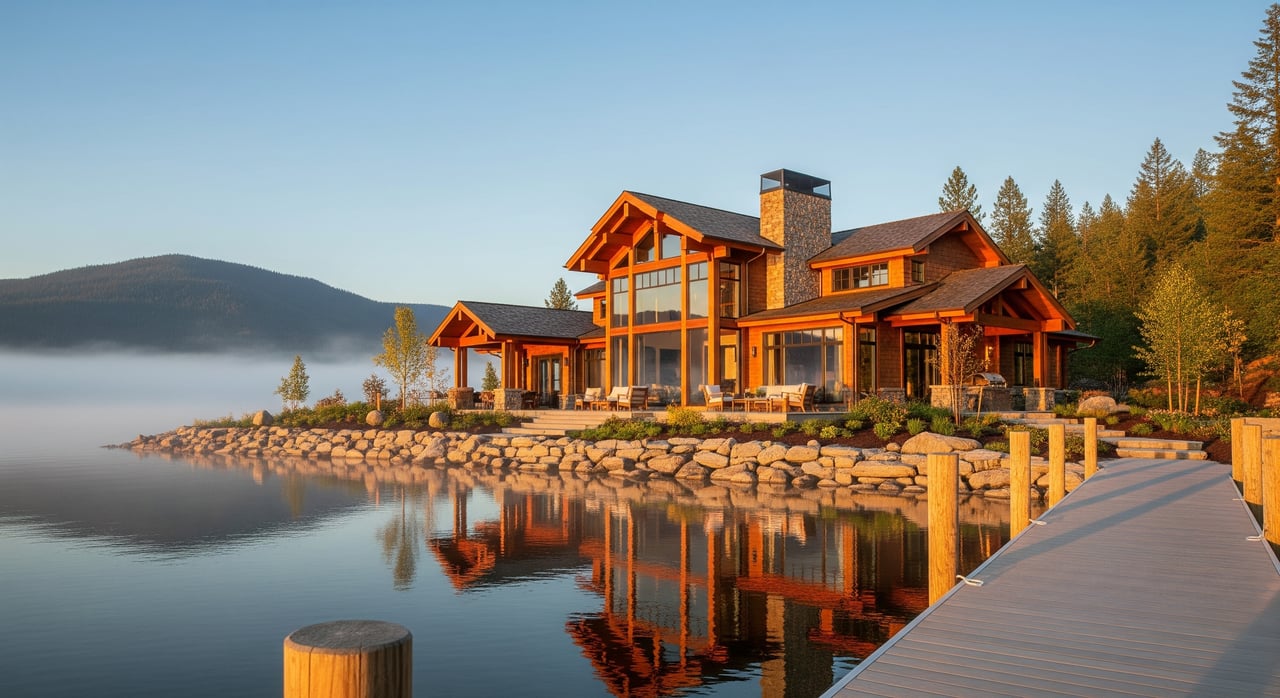
Pricing a lakefront home in Hope can feel tricky. Two properties a mile apart can look similar on paper yet command very different prices in the market. If you are thinking about selling, you want a clear, local framework that shows which factors drive value and how to present them with confidence. This guide breaks down what matters most in Hope’s lakefront market, how to price smartly, and the key checks to complete before you list. Let’s dive in.
Why Hope lakefront pricing is different
Bonner County is a small, mostly rural market with concentrated demand around lakes. That means the pool of comparable sales is often limited, and you cannot rely on broad averages to set price. Seasonality also plays a role, with more listings and buyers in spring and summer. In this environment, careful adjustments and local judgment matter as much as raw numbers.
When you price, focus on the latest 6 to 12 months of sold lakefronts on the same waterbody first. If that is too few, expand to the nearest comparable lake and adjust for shoreline quality, access, and demand. Include active and pending listings to gauge real-time buyer competition.
What drives value: shoreline and access
Not all waterfront is equal. The features below often explain the biggest price gaps.
Water frontage and usable shoreline
Buyers pay for private linear feet, but only if they can use it. A long stretch of steep, rocky bank can be worth less than a shorter run with a usable beach. As a rule, more frontage increases value, yet the marginal value per foot declines. Always describe both the length and the usability of the shoreline.
Shoreline type and slope
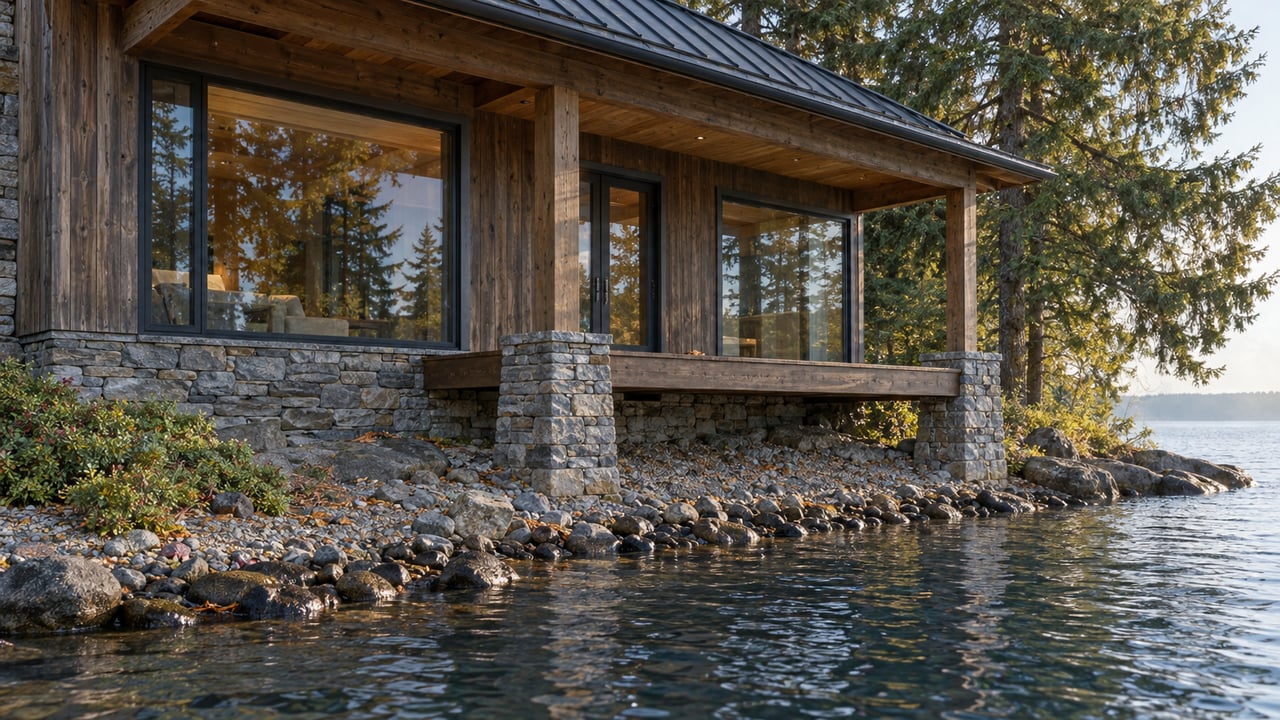
A gentle slope with sandy or pebbly beach is a premium feature. Steep cliffs, riprap, or unstable banks can limit access and reduce value. When you prepare your listing, show the slope clearly with photos and maps so buyers can see how the property meets the water.
Water depth and boat access
Depth and access shape day-to-day use. Shallow, protected coves appeal for swimming and paddling, while deeper water can support larger boats and more reliable access through the seasons. If you are close to a navigable channel, note it and share any available depth charts.
View quality and orientation
Panoramic water views and sunrise or sunset exposure can move the needle. Two similar lots can diverge quickly in price based on view corridors and how the home faces the water. Capture view lines with elevated or drone photography to document the difference.
Private, shared, or public access
Direct private access commands the highest premium. Shared easements or community access reduce value relative to true private frontage. If access is shared, document the recorded easement and how it is used.
Docks, boathouses, and permits
A permitted dock or boathouse adds real value because it signals both utility and compliance. Unpermitted structures introduce risk and may deter buyers or trigger price reductions. Confirm permit status before you list and be ready to show documentation.
Lot size, buildable area, and setbacks
Large lots can be more valuable, but only if you can build what you want. Shoreline setbacks, slopes, and septic placement can reduce the buildable footprint. Buyers respond to certainty, so map out the usable area and any approved plans or permits.
Utilities and services
Reliable power, water, internet, and year-round road access matter. In rural settings, private wells, septic systems, or limited broadband can affect both daily living and price. Be upfront about what is available at the property.
Environmental risks and protections
Flood zones, wetlands, and protected habitat can limit development and raise anticipated costs. Buyers discount for uncertainty, so address these early. A recent flood map, erosion notes, and any mitigation plans can build trust.
Zoning, permits, and riparian rights
Local rules shape what you can build, rent, or modify along the shoreline. Confirm zoning, short-term rental allowances, and in-water structure rules during your prep. Clear answers reduce friction later in the deal.
Market demand and scarcity
Scarcity often boosts the waterfront premium. Track how many true lakefronts are on the market at your price point and the rate of recent sales. When options are thin, well-prepared listings can command stronger offers.
Permits, zoning, and risk checks in Bonner County
Before you set price, verify the details that buyers and lenders will review:
- Check zoning, shoreline setbacks, septic, and accessory rules with Bonner County Planning and Zoning. Start at the county site and contact the department directly for parcel-specific guidance: Bonner County.
- Confirm water rights and in-water structure requirements with the Idaho Department of Water Resources. Dock or shoreline changes may need state and county permits.
- Review septic and water quality rules via the Idaho Department of Environmental Quality. Shoreline vegetation removal can be restricted.
- Pull the FEMA Flood Insurance Rate Map for your exact parcel at the FEMA Flood Map Service Center. Flood zones affect insurance and lending.
- Order a title report to identify recorded easements, shared docks, riparian rights, and any covenants.
Having this documentation ready helps you defend price and speeds buyer decisions.
How to price: a simple framework
In a low-volume lakefront market, use three lenses together.
1) Comparable sales first
Start with sold lakefronts on the same waterbody within the last 6 to 12 months. Adjust for frontage feet, shoreline type and slope, dock or boathouse status, view, utilities, and road access. If you must use nearby lakes, disclose adjustments and why they are appropriate. Local MLS data and agent sales reports are your primary sources.
2) Cost approach for unique builds
For newer or highly unique homes, estimate the land value for similar waterfront lots plus the replacement cost of improvements, minus depreciation. This helps cross-check the sales comparison and can anchor expectations for newer construction.
3) Income approach if it rents
If the property produces short-term rental income, you can analyze revenue and expenses with seasonality in mind. Make sure any rental use complies with local rules, and present realistic occupancy assumptions.
When you want a neutral opinion, hire a licensed appraiser with waterfront experience in Bonner County. An appraiser grounded in local shoreline and buyer preferences can improve pricing accuracy. You can learn more about appraisal methodology at the Appraisal Institute.
Financing, insurance, and taxes to plan for
Lenders often take a conservative stance on rural lakefronts, especially where access or utilities are limited. Conventional loans are common, while government-backed loans may require specific property conditions. Non-conforming parcels sometimes need portfolio or private lenders.
Standard homeowner policies do not include flood coverage. If your parcel lies in a special flood hazard area, lenders will usually require flood insurance through NFIP or a private carrier. Obtain quotes early, since higher premiums can affect buyer affordability and negotiation.
Check the latest assessed value and recent reassessments through the county assessor. Lakeside improvements can trigger changes. Buyers respond well when you provide current tax data and expected insurance ranges.
Smart seller strategy in a seasonal market
Set yourself up to win in peak season with clarity and documentation.
- Price with a range-based rationale. Use recent sales on the same waterbody and explain adjustments in simple terms.
- Build a property profile that quantifies key metrics: private frontage feet, shoreline type and slope, water depth and channel access, dock or boathouse specs and permits, buildable area and setbacks, utilities, and any rental history.
- Anticipate buyer questions. Provide a recent septic inspection, flood map, dock permit records, and estimated insurance premiums.
- Market the experience. Use drone and shoreline photos, simple maps of frontage and topography, and video that shows how you access the water.
- Time your launch. Spring and early summer align with buyer energy for lake living. Stage outdoor spaces to highlight swimming and boating access.
Your property profile checklist
Use this quick list as you prepare to price and list your Hope lakefront home:
- Exact waterbody name and whether frontage is private or shared
- Linear feet of private frontage and a plain-language shoreline description
- Dock or boathouse presence and permit status
- Typical water depth at the dock and distance to navigable channel
- Lot dimensions, buildable area, shoreline setbacks, septic capacity and records
- Utilities and road access details, including internet options
- FEMA flood zone and any known flood or erosion history
- Recent sold comps and active competing listings on the same waterbody
- Recent tax assessment and insurance premium quotes
- Any easements, HOA rules, rental restrictions, or conservation overlays
When to bring in local pros
Because every shoreline is different, you benefit from a team that knows the water and the rules. A seasoned waterfront agent can source off-market insights, assemble the right comps, and present a transparent pricing case to buyers. An experienced local appraiser can validate your range. For market context, statewide reports from the Idaho Association of REALTORS are useful, but you should always anchor price to recent, lake-specific sales.
Ready to price with confidence and capture peak-season demand? We combine boutique, hands-on guidance with broad marketing reach to position your Hope lakefront home for success. Connect with Overland Reizen to start your pricing conversation and plan your launch.
FAQs
How is pricing a Hope lakefront home different from a non-waterfront property?
- Waterfront pricing depends heavily on shoreline usability, private frontage feet, water depth, dock permits, and view. Local scarcity and seasonality also influence outcomes.
What permits and rules should I check before listing a Hope lakefront home?
- Verify zoning, setbacks, septic, and accessory rules with Bonner County, confirm water rights and dock rules with IDWR, and review water quality and septic rules with Idaho DEQ.
How do flood zones affect value and lending for lakefront homes?
- Flood zone designations can trigger required flood insurance and higher premiums, which can impact affordability and price. Check your parcel at the FEMA Flood Map Service Center.
Which valuation method should I rely on for a waterfront property?
- Use recent comparable sales on the same waterbody first, cross-check with the cost approach for unique builds, and consider the income approach only if the home generates rental revenue.
Do docks and boathouses always increase price for Hope waterfront homes?
- Permitted docks and boathouses typically add value by improving access and reducing risk. Unpermitted structures can reduce buyer interest and lead to price adjustments.
When is the best time to list a lakefront home in Hope?
- Listing in spring or early summer aligns with increased buyer activity for lake properties, which can improve exposure and shorten time on market when paired with strong presentation.