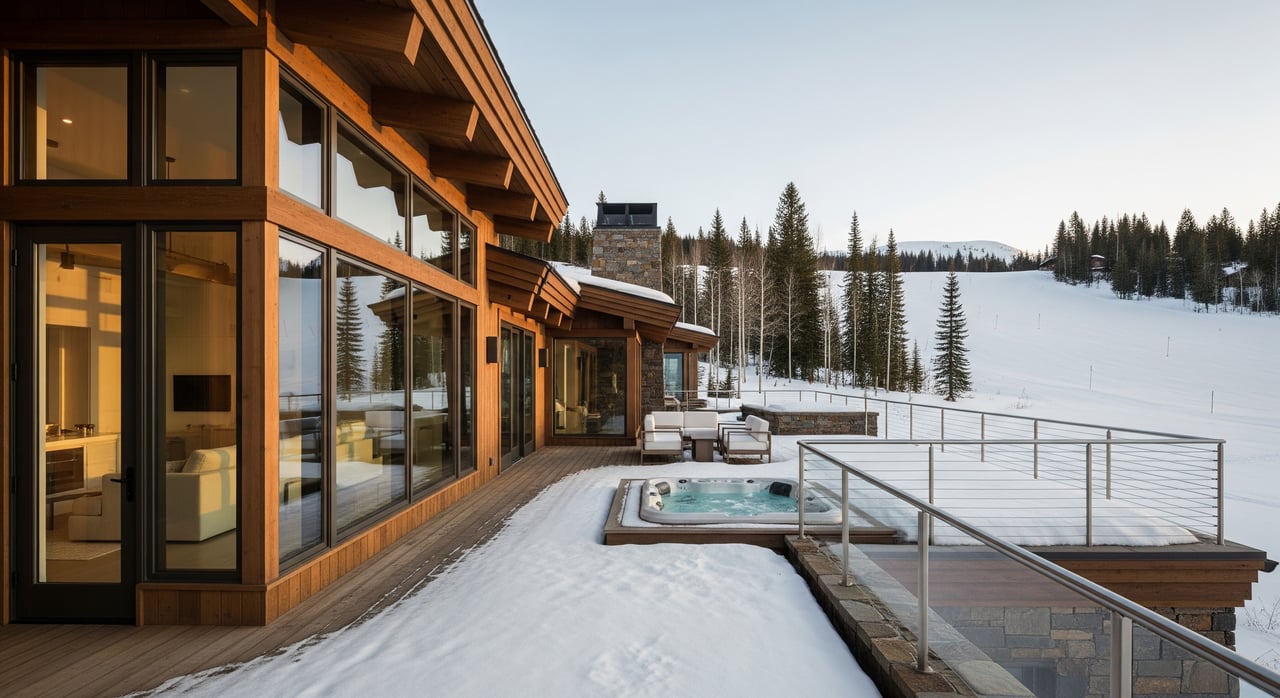
Picture this: you click into your skis at sunrise, glide to the lift in minutes, and end the day at your own fire-warmed retreat. If you are drawn to this rhythm at Schweitzer, you are not alone. Buying a true ski-in/ski-out home near Sandpoint takes clear eyes and good prep, especially around access, HOAs, and rentals. This guide breaks down what ski-in/ski-out really means at Schweitzer, how to evaluate listings, and what to check before you buy. Let’s dive in.
Why Schweitzer draws buyers
Schweitzer Mountain Resort anchors winter and summer life in Sandpoint and greater Bonner County. The mountain is known for a summit around 6,400 feet and a vertical drop near 2,400 feet, along with a village base and on-mountain amenities you can explore through the official Schweitzer Mountain Resort site.
You get four seasons of recreation. Winter brings skiing and snowboarding. Warmer months offer hiking and biking on the mountain and time on Lake Pend Oreille, which regional guides highlight on Visit Idaho.
Access from town is practical for daily life. The drive from Sandpoint to Schweitzer’s base is commonly about 20 to 30 minutes, depending on route and road conditions. Many ski-area neighborhoods sit in unincorporated Bonner County, so you will want to note whether services are city or county.
What ski-in/ski-out means at Schweitzer
“Ski-in/ski-out” covers a range of access types. It is a marketing term, not a legal category, so confirm the details.
- Direct door-to-slope: Step out, click in, and go. These sit along groomed trails or resort terrain.
- Short walk to lifts: Village or base-area homes and condos within minutes on foot to a chair, tram, or gondola.
- Deeded or private lift access: Select single-family properties with an easement or small surface lift serving owners.
- Resort-managed access: Condos with ski lockers, indoor connectors, or shuttle service that make skiing convenient, even if not literal slope-side.
Access factors to verify
- Exact distance and route to the nearest lift or trail, plus photos or video in winter conditions.
- Elevation change and slope grade between the property and lift. Steep routes can limit day-to-day use.
- Winter maintenance responsibilities for walkways, driveways, roads, and steps.
- Legal access, including recorded easements and any resort or public access allowances.
Common property types near the mountain
- Condos and fractional units in the village for lock-and-leave ease and potential rental income.
- Townhomes and duplexes near the base that often market short walk access to lifts.
- Single-family homes on mountain roads that range from short walk to short drive access.
- Luxury cabins with deeded trail easements or private lift connections, which are rarer.
- Off-mountain homes marketed as “near Schweitzer” that require a drive to the base. These are not ski-in/ski-out.
Market and pricing basics
Ski-area homes usually trade at a premium due to convenience, rental potential, and limited supply. Inventory for true ski-in/ski-out is tight and turnover can be infrequent. Many resort markets normalized after peak demand years, with higher interest rates shaping activity, yet restricted supply often supports values for well-located slope-access properties.
For pricing, ask for current comps and days-on-market trends for your property type. Local MLS data and on-mountain expertise matter most at Schweitzer.
Financing your Schweitzer purchase
- Occupancy type affects terms. Primary residence, second home, and investment loans follow different underwriting standards for down payment and rates.
- Jumbo loans may apply if your purchase exceeds conforming limits.
- If you plan to use rental income to qualify, some lenders request documented history. Confirm your lender’s policy on ski-area properties.
- Build in time for appraisals in winter months when access and scheduling can take longer.
Costs, taxes, and insurance to plan for
- Property taxes are set by Bonner County and vary by district. Review current assessments through the Bonner County assessor’s records.
- HOA dues are common for village condos and townhomes. Confirm what is covered, such as snow removal, building maintenance, reserves, and amenities.
- Short-term rentals generally trigger lodging and related taxes. Get rules and remittance details from the Idaho State Tax Commission and confirm whether your property is in city or county.
- Utilities and winter services, like propane, electric heat, plowing, sanding, and roof snow removal, can add seasonal costs.
- Insurance should reflect winter and wildfire realities. Ask local agents about availability and premiums for mountain homes in Bonner County, and check flood status with FEMA’s flood resources if the site is near mapped zones.
Rentals, permits, and HOA rules
- Review the HOA’s CCRs for rental policy, any caps, minimum stays, and whether in-house management is required.
- Rules differ between the City of Sandpoint and unincorporated Bonner County. Check local planning resources on the City of Sandpoint site for city-based properties and verify county rules for homes outside city limits.
- Understand how guest parking, ski locker use, and lift access are handled in your community.
Due diligence checklists
Pre-offer research
- Verify physical access with measured distance, walking time, and grade, plus winter photos.
- Confirm legal access with recorded easements, plat maps, and any trail or resort permissions.
- Review HOA health, including budgets, reserve studies, and special assessments.
- Map utilities, including sewer vs. septic, well performance, and internet options.
- Get preliminary insurance quotes, including wildfire and winter-related endorsements.
- Learn how roads are maintained and who pays for plowing.
Inspections and reviews
- Schedule a full home inspection with attention to roof structure and snow load.
- Consider a geotechnical review for hillside sites for stability, drainage, or potential avalanche concerns.
- Order title, boundary, and easement review to confirm access and any encumbrances.
- If rental income matters, ask for platform reports or HOA rental logs to verify claims.
Negotiation and closing
- Use contingencies for clear title, acceptable HOA documents, insurability, and inspections.
- Clarify who maintains ski easements or private lift equipment and how costs are shared.
- Confirm lender requirements, appraisal timelines, and potential weather-related delays.
After closing
- Complete HOA orientation for parking, guest registration, trash, ski lockers, and amenities.
- Line up local property management, plowing, and roof snow services before peak season.
- Register for lodging or related taxes as required by Idaho and your local jurisdiction.
Seasonal access and livability tips
- Plan for winter driving between Sandpoint and the resort, which can run 20 to 30 minutes in normal conditions. Build extra time for storms.
- Ask whether your road is county maintained or private. Private roads often require owner-funded plowing and sanding.
- Stock essentials before heavy snow. Most services, including medical and grocery, are in or near town.
- If renting, set clear guest instructions for parking, access, locker use, and emergency contacts.
How Overland Reizen helps
Buying on the mountain is about lining up lifestyle and logistics. You want the right access, clear rules for rentals, and a home that holds up to winter. Our team pairs on-the-ground guidance with rigorous deal management so you can buy with confidence.
At Overland Reizen, you get boutique, high-touch service backed by PureWest and Christie’s scale. Paul’s legal and building background adds risk-aware structure to each step, while Jolena’s local relationships help you navigate neighborhoods, HOAs, and service providers. From curated, multi-day tours to careful review of CCRs and easements, we focus on the details that protect your time and your investment.
Ready to explore slope-side living at Schweitzer? Reach out to Overland Reizen to start your search.
FAQs
How can I confirm a Schweitzer listing is truly ski-in/ski-out?
- Ask for a written route to the lift, winter photos or video, a survey or plat with any easements, and confirmation of access rights in HOA or resort documents.
Are ski-in/ski-out homes more expensive than off-mountain options?
- Typically yes, due to proximity to lifts, amenities, and limited supply, though exact pricing depends on current comps and HOA or operating costs.
Can I rent my Schweitzer-area condo nightly?
- It depends on the HOA’s CCRs and local rules; confirm restrictions, management requirements, and lodging tax registration before you buy.
What insurance issues should I expect for a mountain home?
- Plan for winter-specific coverage, ask about wildfire underwriting and premiums, and check flood status through FEMA resources when applicable.
Is snow removal usually included in HOA dues at the base?
- Often for village condos, but verify what is covered, such as walkways, parking, and private driveways, and who maintains private roads.
What are common loan types for Schweitzer properties?
- Second-home mortgages and investment loans are common, with jumbo financing for higher price points; lender rules on rental income vary.