Pull up two different numbers for the Dover housing market in August 2026 and you'll get two different stories. The three-month median sale price sat at $700,000, up a fraction of a percent from the same stretch last year. The average sale price for the single month of August was $678,000, down nearly 25 percent year over year. Same city. Same month. Numbers moving in opposite directions.
If you're comparing Dover against Sagle, Sandpoint, or anywhere else on your shortlist, this is exactly the kind of contradiction that makes a headline price useless without context. It's not a data error. It's what happens when a market is small enough that a handful of closings can swing the average, while the median quietly reflects something else entirely: what kind of house is actually selling.
Why a Median and an Average Can Disagree This Much
A median tells you the middle of the pack. Line up every home that sold in a given window and the median is the one sitting dead center. An average adds up every sale price and divides by the count, which means it's pulled hard by outliers on either end.
Dover only recorded 10 home sales in August 2026, up from 7 the year before. That's a small enough sample that one or two multimillion-dollar waterfront closings landing in one August and not the next can drag the average down without moving the median at all. The 3-month median, spanning a wider window, absorbs that kind of swing better. The single-month average doesn't.
There's a second data point worth sitting with: homes in Dover took an average of 116 days to sell in August 2026, compared to 88 days the year before. Longer time on market usually means one of two things: sellers pricing ahead of what buyers will pay, or a shift in what's actually listed. Given what's happening inside Dover's biggest subdivision, the second explanation carries more weight than the first.
The Three Houses Hiding Inside One Median
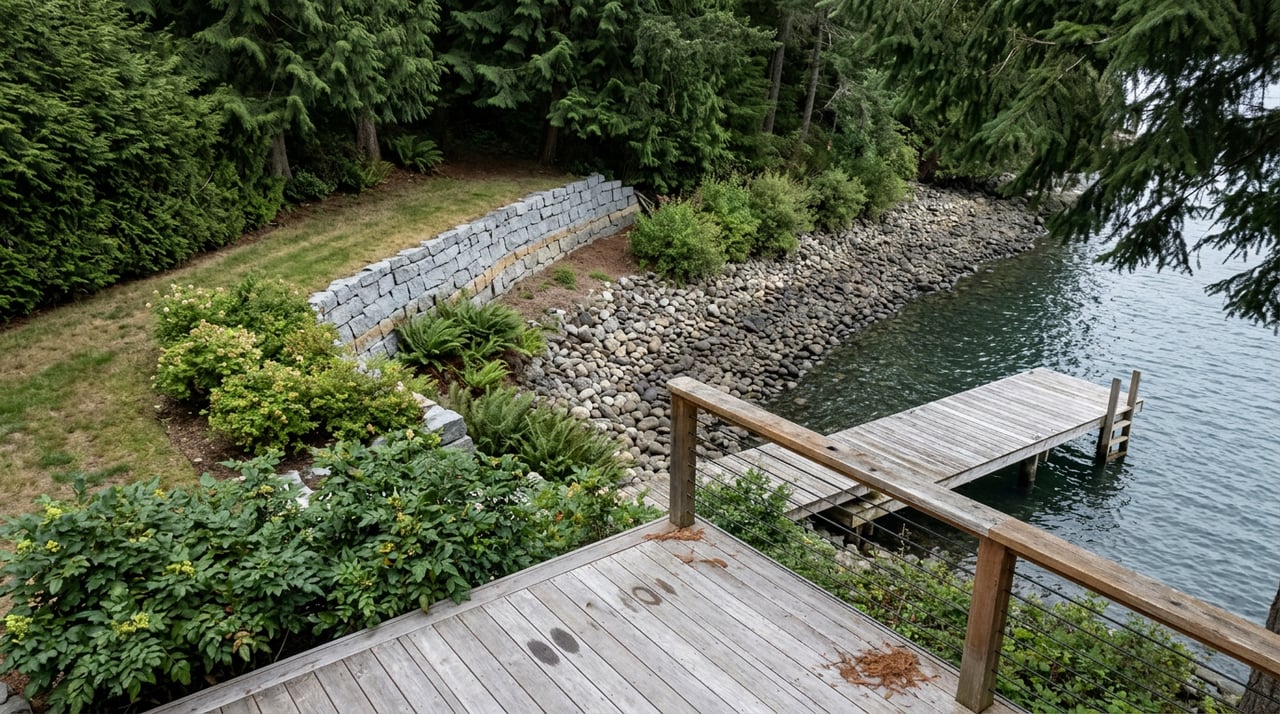
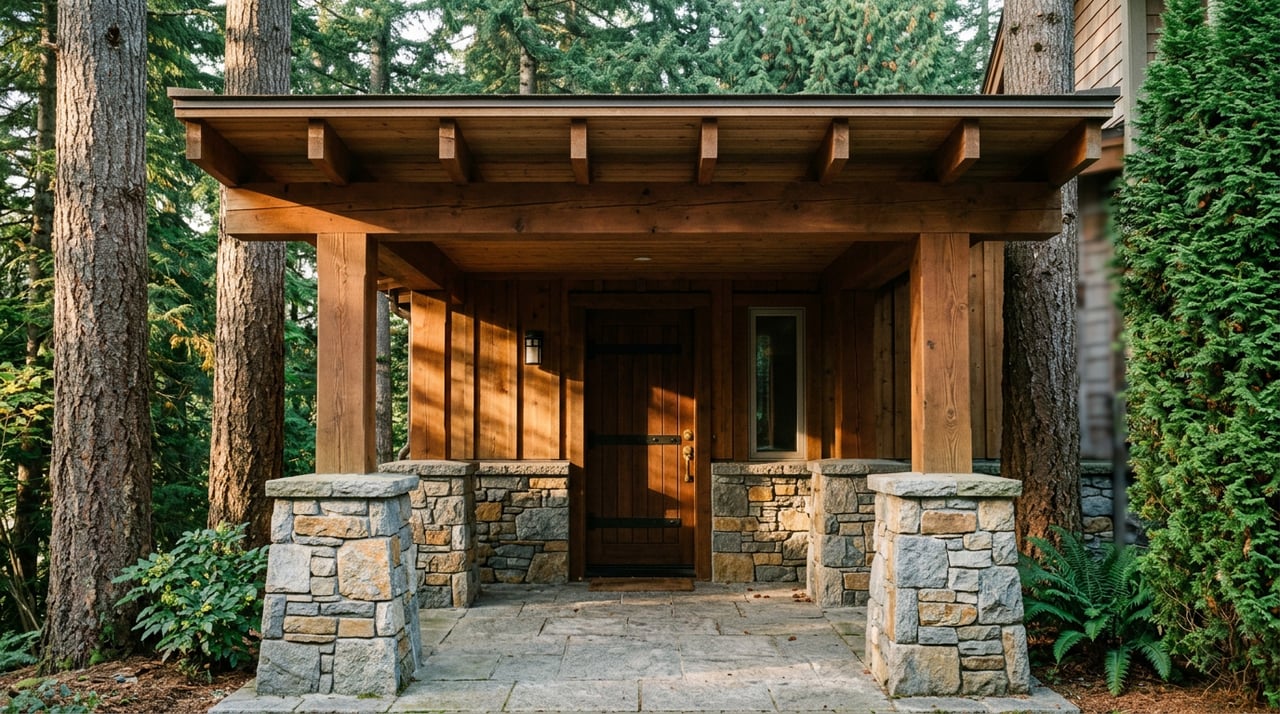
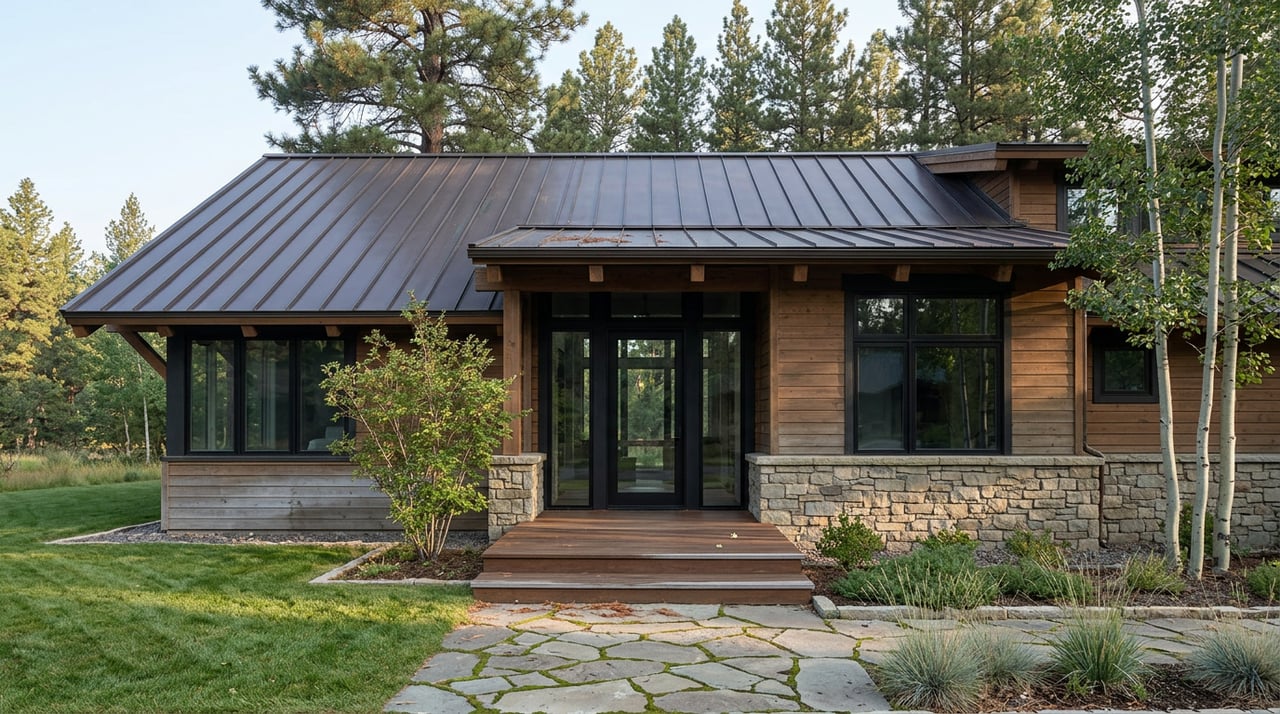
Most of Dover's inventory sits inside Dover Bay, the 285-acre master-planned waterfront community built on the site of the old Dover lumber mill. Walk through what's actually for sale there and you find three distinct products, not one market:
| Product | Size | What You're Buying |
|---|---|---|
| "Cabins in the Woods" | 900 to 1,400 sq ft | Smaller footprint, tucked back from the water, walking distance to trails and the marina |
| Condos and townhomes | 1,000 to 1,800 sq ft | 2 to 3 bedrooms, some with partial lake views and shared amenities |
| Waterfront homesites and custom builds | 2,500 to 4,000 sq ft | 3 to 5 bedrooms, high-end finishes, private boat slips |
Earlier this year, the median sale price across that mixed inventory inside Dover Bay hovered around $615,000. But that single number blends condos that trade closer to entry-level pricing with true waterfront estates that push well north of $1.2 million and can clear $2 million for newer builds with premium finishes. A $615,000 median doesn't mean you can buy a lakefront custom home for $615,000. It means enough condos and cabins closed at that range to pull the midpoint down, even while boat-slip estates were quietly changing hands for three or four times that amount.
This is the mechanism behind August's average-versus-median gap. When a waterfront custom build sells, it pulls the average up sharply because there are so few sales total. When a quiet month passes without one, the average falls just as sharply, even though the "typical" cabin or condo sale barely moved. The median is more stable because it doesn't care how big the outlier is, only where it sits in the lineup.
What the HOA Check Is Actually Buying
Sale price is only one line on the monthly math, and Dover Bay's structure changes the other lines more than most buyers expect walking in.
HOA and POA dues inside Dover Bay typically run $150 to $400 a month depending on the neighborhood, whether that's the Meadows, Bayside South, Marina Town, or Parkside. One active listing spells out what that check is covering, describing dues that "covers it all: water, sewer, garbage, exterior maintenance, snow removal, landscaping, roof."
That's a materially different ownership structure than a standalone property on acreage elsewhere in North Idaho, where the roof, the driveway plow, and the landscaping are the owner's cost and the owner's schedule, paid out in whatever amount a contractor quotes that year. In Dover Bay, those costs are smoothed into a predictable monthly number. That predictability has a price, and it shows up as part of the carrying cost, not the sale price. Two listings with identical price tags in Dover and a non-HOA North Idaho neighborhood are not identical purchases once you run the full monthly math.
The other side of that same coin is access. Those dues also fund the infrastructure that makes Dover Bay function as a self-contained community: more than nine miles of trails through the property and along the shoreline, a 274-slip deep-water marina, and Marina Village, the hub anchored by a market, a café, a fitness club, and DISH Restaurant and Bar. Slip availability at the marina depends on size and season, so anyone weighing a waterfront purchase with boating in mind should ask directly about waitlists and annual rates before assuming a slip comes with the property.
Reading a Dover Listing Without Getting Fooled by the Median
Before treating any headline price as a comparison point, a buyer working this market should ask three questions of any specific listing:
- Which tier is this: a cabin, a condo, or a waterfront custom build? The median tells you nothing about which one you're looking at.
- What do the HOA dues actually include, and does that match the $150 to $400 range, or fall outside it?
- If the property is on the water, is a marina slip included, or is it a separate line item with its own waitlist?
None of these questions show up in a portal's headline number. All three change what the "real" monthly cost looks like once you're past the offer stage.
A Few Straight Answers
Is Dover's median price a reliable number to compare against other North Idaho towns? Treat it as a starting point, not a conclusion. With only a handful of sales closing most months, the median and average can diverge sharply depending on which tier of home happened to sell. A single-month snapshot is more volatile than a three-month window.
Do all Dover Bay properties carry HOA dues? Properties inside the Dover Bay development typically do, with dues in the $150 to $400 per month range depending on the neighborhood and what's bundled in. Properties outside the Dover Bay boundary within the broader city of Dover may not carry the same structure.
Does buying waterfront in Dover Bay guarantee a boat slip? Not automatically. The marina has 274 slips, but availability depends on vessel size and season. Anyone counting on moorage as part of the purchase should confirm slip access and any waitlist directly rather than assuming it transfers with the home.
If you're weighing a purchase in Dover against other North Idaho lake towns and want help reading past the headline number to the tier, the dues structure, and what's actually included, Paul Reizen can walk through the math on a specific listing before you write an offer. Discover Your North Idaho Lifestyle by starting that conversation with Overland Reizen.