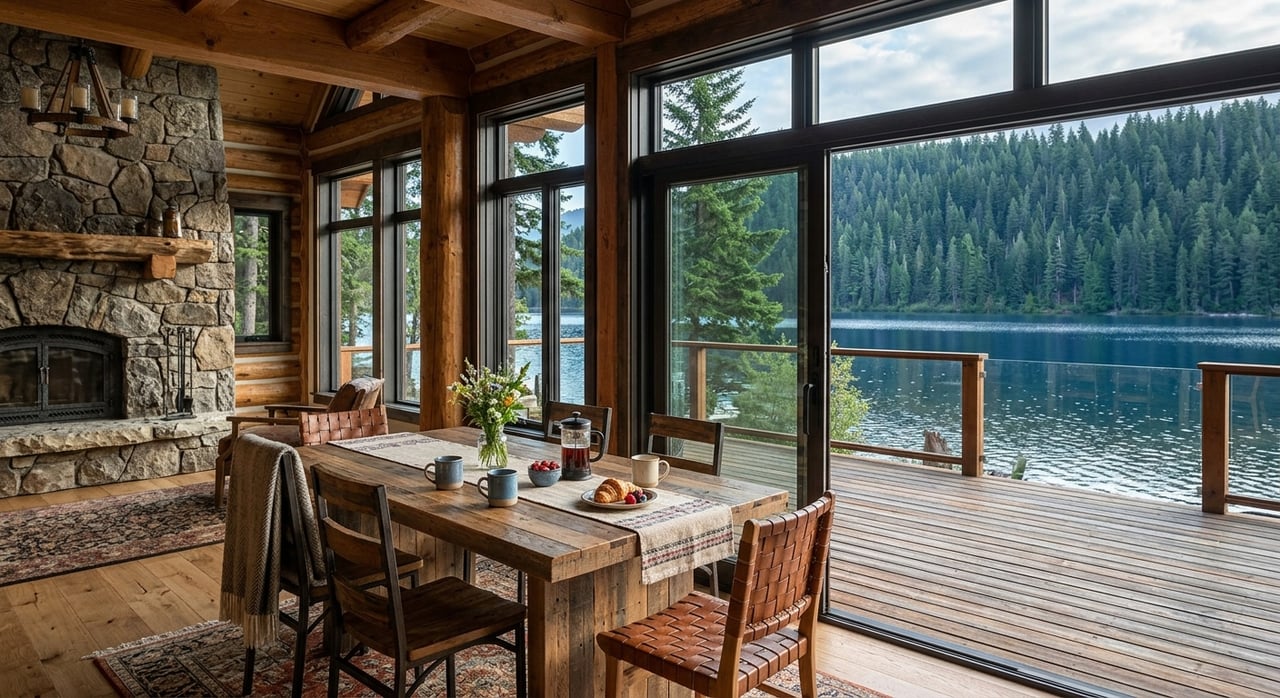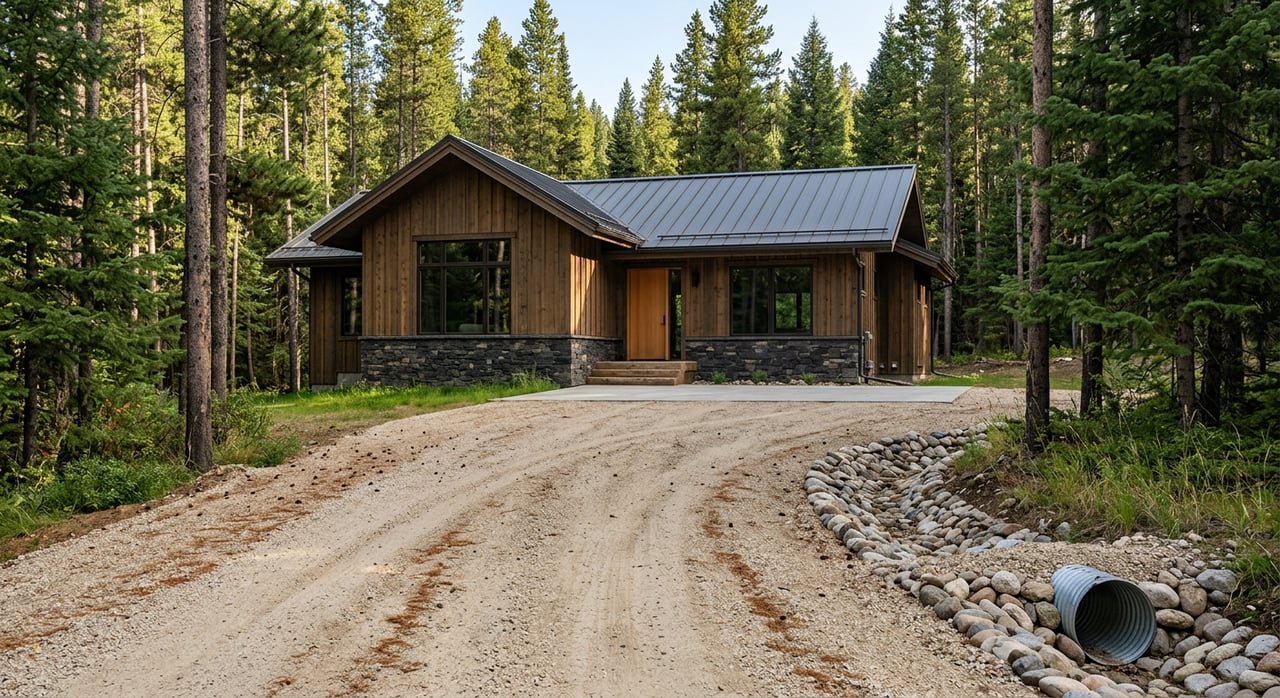
You can picture it already: a custom home tucked in the pines above Lake Pend Oreille, morning light on the water, and room to breathe. Buying land in Sagle can make that vision real, but raw acreage comes with moving parts you need to verify up front. In this guide, you will learn how to assess soils and slopes, verify access, sort water and septic, check wildfire exposure, and line up the right builder so your project starts strong. Let’s dive in.
Why Sagle land feels different
Sagle sits in classic North Idaho terrain with rolling benches, forested ridges, and glacial soils. The local Sagle soil series is typically an ashy silt loam formed in glacial till, often found on slopes of about 5 to 30 percent at elevations near 2,200 to 3,000 feet. That mix can affect where you place a building pad, driveway, and drainfield. You can review the NRCS Sagle soil series description as a first screen, then plan a site visit and professional evaluation.
Steeper or rocky sites usually cost more to prep. Cut-and-fill, retaining walls, longer driveways, and snow management can add up. Soil permeability and perched water layers also vary by microlocation. Use the listing period to order a site-specific soils or geotechnical review so you know what your foundation and septic designer will be working with.
Access and roads: legal vs physical
In rural Bonner County, legal access and physical access are not the same thing. You need to confirm there is a recorded easement or right-of-way to your parcel and that it matches the driveway you will actually use. County staff reports often detail which roads are county maintained versus private. For example, see a Bonner County staff report on road and right-of-way details to understand how these matters are documented.
On private roads, look for a recorded road maintenance agreement. Ask who pays for grading, culverts, and winter plowing, and whether your planned driveway is on the recorded alignment. If year-round access matters to you, call the county roads department and speak with nearby residents about winter conditions and turn-around space for plows and fire apparatus.
Water: public system or private well
Parts of Sagle are served by small water districts, while many parcels rely on private wells. Check county planning maps and documents to see which districts serve different neighborhoods. The county’s update on public services and utilities summarizes district coverage and planning considerations in the area. Review the Bonner County utilities and public services update to orient your search.
If you will drill a well, Idaho requires a drilling permit known as a start-card. Only licensed drillers may use a start-card, and there are minimum setbacks such as at least 50 feet from a septic tank and 100 feet from the drainfield. Get familiar with the Idaho Department of Water Resources start-card guidance so you can site your well and drainfield correctly.
Well depth, yield, and water quality are highly site specific. Ask the seller for the well log, the driller’s completion report, and recent water test results for coliform and nitrate. If no well exists, plan for a test well during contingencies so you do not have to guess about water.
Septic systems: prove buildability
Idaho’s onsite wastewater rules are set at the state level and administered locally. In the Sandpoint–Sagle area, the public health district performs site evaluations, issues septic permits, and inspects installations. Start with the Idaho DEQ onsite wastewater and septic overview to understand the basic path and system types.
In Bonner County, some minor land divisions have occurred without early health-district sign-off, which led to surprises for buyers later. Local reporting describes cases where lots did not percolate for a standard system and needed more costly engineered alternatives. It is a cautionary tale. You can read a summary of those dynamics in local coverage of Bonner County septic and land division issues.
Costs vary by site and design. Expect a site evaluation fee in the low hundreds and understand that engineered alternatives can add several thousand dollars. Timelines also depend on season and workload. Do not assume rural equals buildable. Make your offer contingent on a health-district site evaluation and, if needed, an engineer’s plan for an alternative system.
Ask the seller for:
- Title commitment and any recorded easements
- Road maintenance agreement and proof of legal access
- Well log, driller’s completion report, and recent water tests
- Panhandle Health District site evaluation or percolation report
- Any CC&Rs and HOA documents
Wildfire risk, fire resources, and insurance
Sagle is inside Bonner County’s Wildland Urban Interface planning area. The county’s Community Wildfire Protection Plan outlines local risk, resources, and mitigation strategies. Review the Bonner County Community Wildfire Protection Plan to understand exposure and recommendations.
Before you close, identify the serving fire district, the nearest water tender fill sites or hydrants, and likely response times. Ask your insurer whether a defensible-space plan and home-hardening measures could improve coverage and pricing. Programs aligned with NFPA’s Firewise provide homeowner-friendly checklists. A concise overview is available through NFPA-aligned Firewise guidance for homeowners.
Zoning, CCRs, easements, and title
Confirm the parcel’s zoning or land-use designation and any subdivision conditions. Setbacks, minimum lot sizes, and permitted uses vary by category. County maps and staff reports are your source for these details. The Bonner County utilities and public services update is a helpful starting point for district and service context.
Request any CC&Rs from the seller and read them closely. A covenant can limit materials, outbuildings, or require architectural review. A title company’s preliminary report will surface recorded encumbrances, but you should still ask specific questions about easements, road rights-of-way, and any use limitations that could affect your design.
Builder availability, licensing, and timeline
North Idaho’s construction schedules can tighten during active subdivision and lot-creation cycles. Recent planning documents illustrate ongoing minor land divisions in the county, which is a useful signal of demand on builders and subs. For context, see the Bonner County minor land divisions collective report.
Always verify registration and specialty licenses for any contractor you are considering. Idaho’s Division of Occupational & Professional Licenses provides a public lookup for general registration and trades like plumbing, electrical, and HVAC. Use the Idaho DOPL contractor registration and license lookup and request proof of insurance and recent references.
To set expectations, ask for a written schedule, a subcontractor list, and a clear change-order process. Allow time buffers for winter weather and for permit steps that hinge on soils, septic design, and utility extensions.
Due diligence checklist for Sagle land
Use this sequence to reduce surprises before you close.
- Title and recorded documents. Order a preliminary title report and review recorded easements, rights-of-way, and any CC&Rs. Ask the seller for all known documents.
- Confirm legal and physical access. Get the recorded easement and road maintenance agreement. Verify winter plowing and who maintains culverts.
- Map fire resources. Identify the serving fire district, nearest hydrant or tender fill, and typical response times. Ask insurers about coverage conditions.
- Water plan. Confirm water-district service or, for private wells, line up a licensed driller, verify setbacks, and request any existing well logs and water tests.
- Septic site evaluation. Make your offer contingent on a health-district site evaluation. If a standard system will not work, obtain an engineered design and cost.
- Soils and slope review. Screen soils with NRCS data, then get a site-specific soils or geotechnical report to inform foundation, driveway, and drainfield layout.
- Utility and site work quotes. Price out power extension, trenching, driveway, septic, and well. Get realistic timelines tied to seasonal conditions.
- Builder vetting and schedule. Verify contractor registration and trade licenses, and secure a written schedule with allowances for weather and inspections.
- Insurance readiness. Confirm homeowners and wildfire coverage availability early, then plan defensible space and home-hardening measures.
Red flags that need a closer look
- No recorded legal access or only an informal access understanding
- No health-district site evaluation, failed perc tests nearby, or conflicting septic information
- Missing well log or water test data for an existing well
- High wildfire exposure with limited fire-district resources and no clear mitigation path
- CC&Rs that do not match your intended use or design priorities
Building a custom home in Sagle is well within reach when you stack the right steps in the right order. Start with soils, access, water, and septic, then firm up your fire, zoning, and builder plans. If you want a local team to quarterback the process, connect with us. We combine transaction rigor with place-based insight to help you choose the right parcel and move from idea to groundbreaking with confidence.
Ready to walk land, vet buildability, or pressure-test a parcel you already found? Reach out to Overland Reizen to Discover Your North Idaho Lifestyle.
FAQs
What is the first step to buy Sagle land for a custom home?
- Start with title and access. Order a preliminary title report, confirm recorded easements, and verify who maintains the access road in all seasons.
How do you confirm a Sagle lot can support a septic system?
- Make your offer contingent on a public health district site evaluation. If a conventional system will not work, get an engineered design and written cost before you waive contingencies.
What Idaho well rules should Sagle buyers know?
- Drilling requires an IDWR start-card, only licensed drillers can use it, and wells must meet setbacks from septic components. Ask for the well log and recent water tests.
How does wildfire risk affect building in Sagle, Idaho?
- Fire district resources, response times, and water supply influence insurance and design. Plan defensible space and home hardening to improve safety and potential insurability.
What should you ask a builder before signing in Sagle?
- Request state registration and trade license numbers, proof of insurance, a detailed schedule, a subcontractor list, and a change-order process with clear pricing rules.